ACM Panels vs Other Cladding Materials: Which Is Right for Your Project?
The type of exterior cladding you work with influences a building’s durability, appearance, and long-term maintenance. Architects, builders, and project managers often compare multiple materials before choosing the best option.
Aluminum composite material (ACM) panels are popular in modern commercial construction. Their lightweight structure, clean appearance, and flexibility in fabrication make them a strong alternative to traditional cladding systems.
Learn more about how ACM panels compare to other exterior cladding materials to help you make the right decision for your next project.
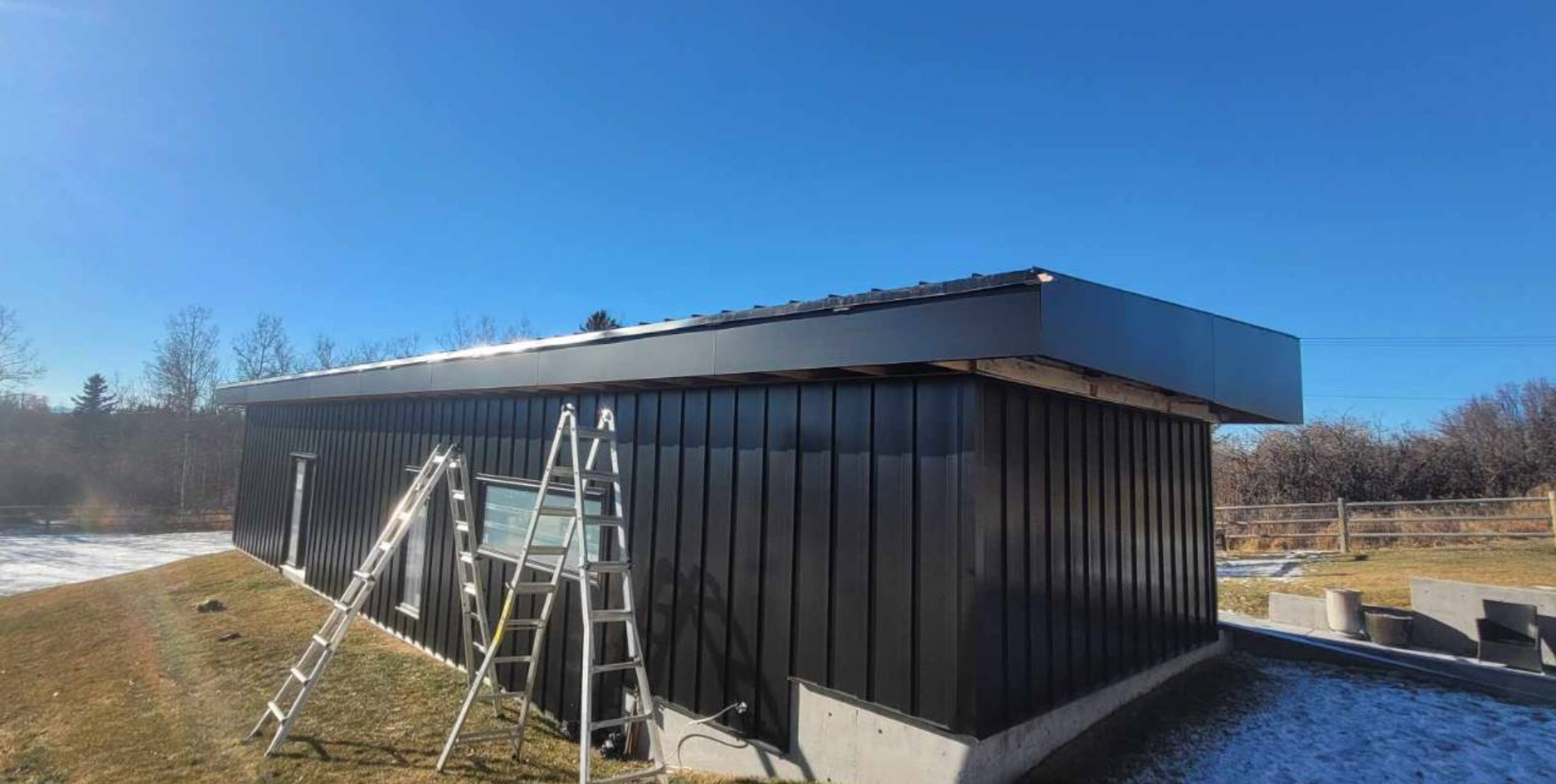
How ACM Panels Compare to Traditional Metal Cladding
ACM panels are different from traditional metal cladding in many ways, including weight, flexibility in fabrication, and visual consistency:
Weight and Ease of Installation
ACM panels consist of two thin aluminum sheets bonded to a lightweight core. This construction reduces panel weight compared with solid metal cladding. Lighter panels are often easier to install across large building facades. Reduced weight also puts less structural demand on the building frame.
Structural Flexibility
Traditional metal panels provide strength but limit the ability to shape during fabrication.
ACM fabricators can rout, bend, and fold panels while maintaining structural stability. This capability supports curved surfaces, detailed architectural elements, and modern facade designs.
Aesthetic Consistency
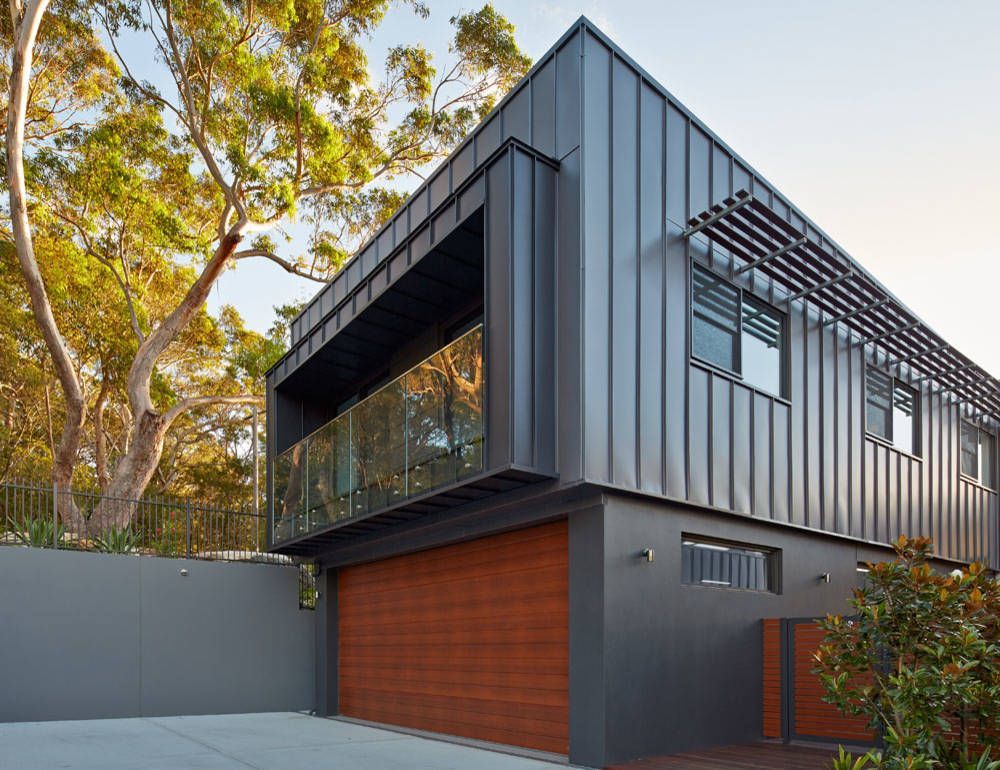
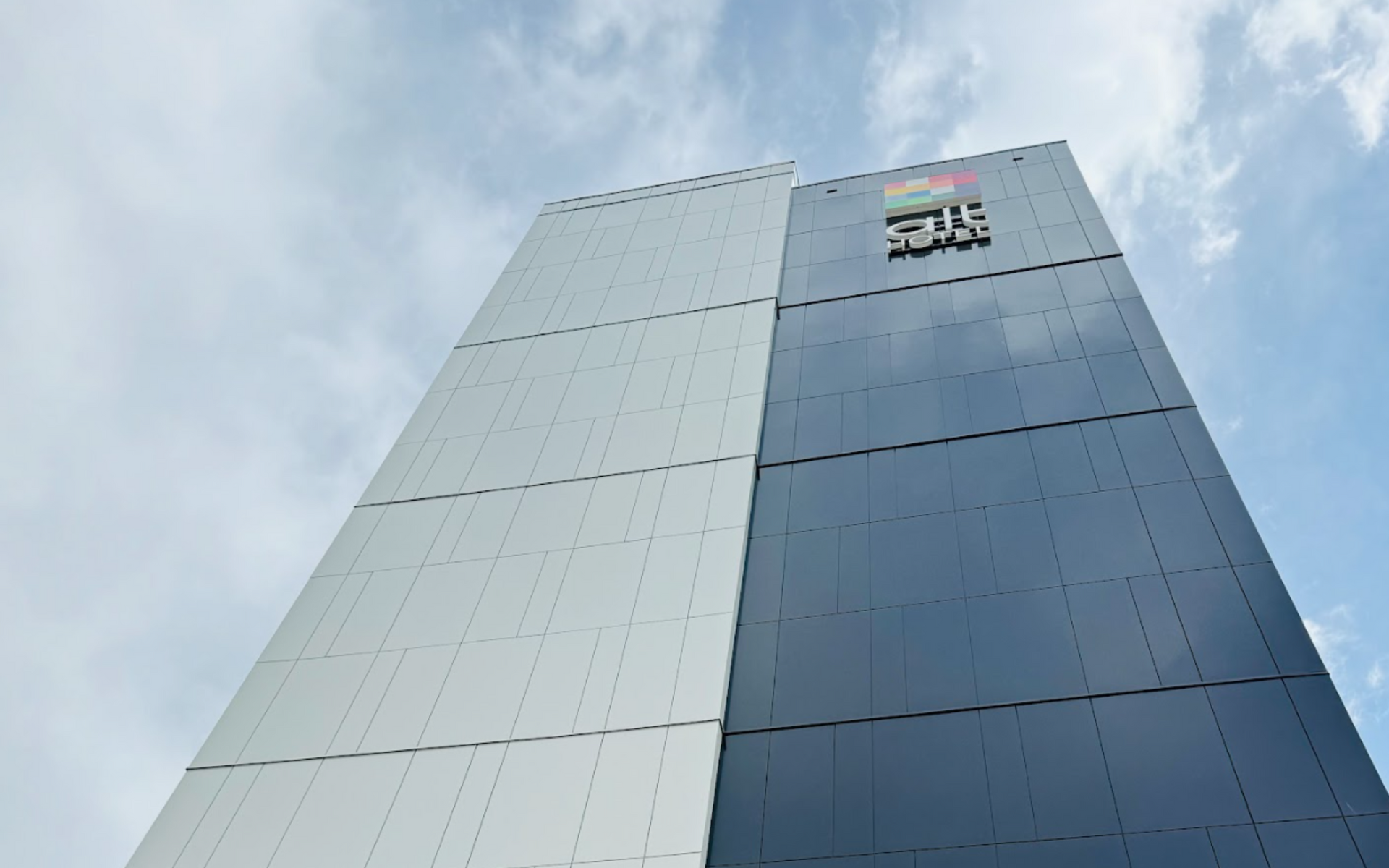
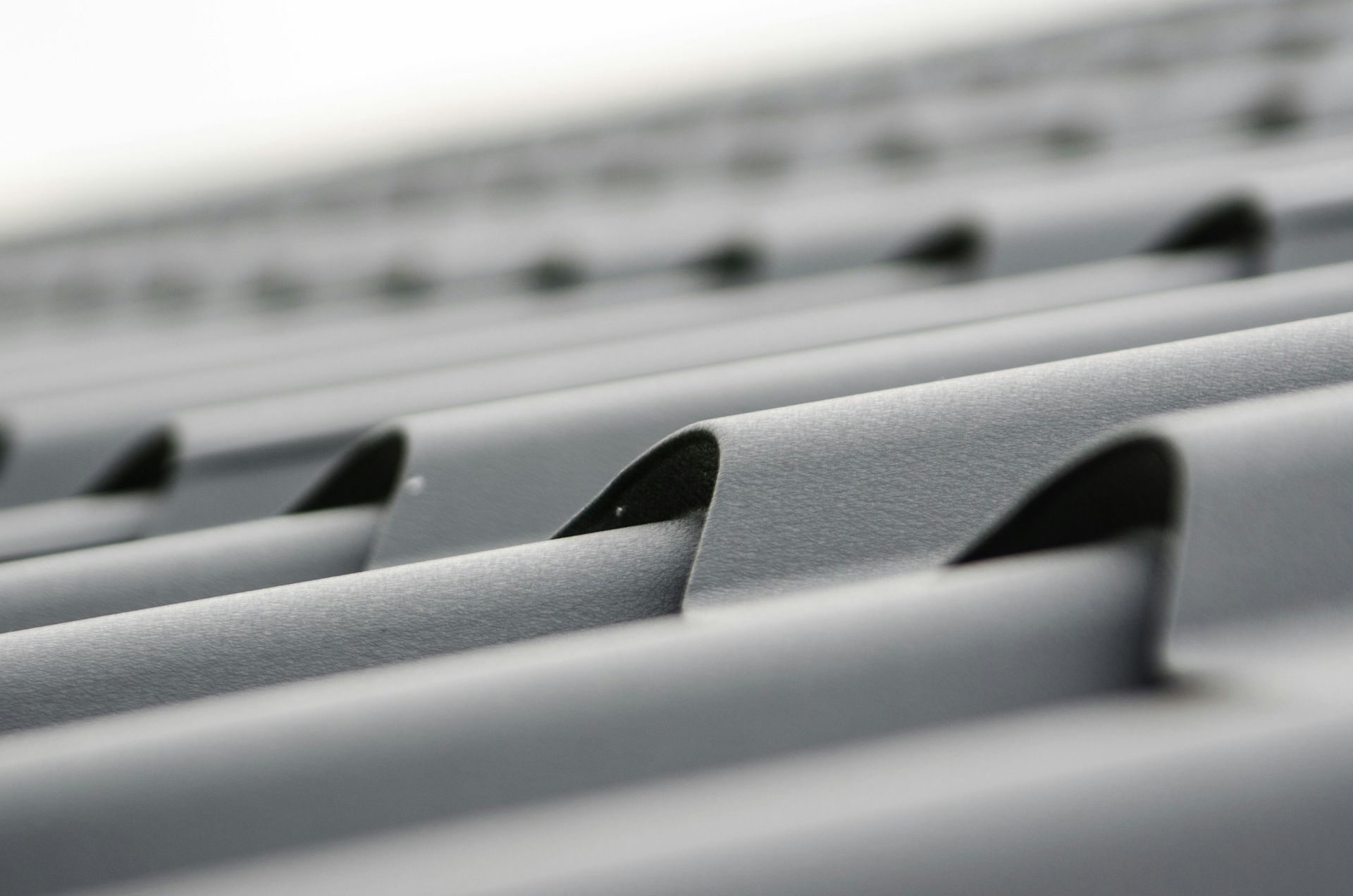
ACM panels have a smooth, flat surface that maintains a consistent finish across large exterior areas. Manufacturers offer a wide range of coatings, including metallic finishes, solid colours, and textured surfaces. This consistency promotes clean, modern building designs.
ACM Panels vs Other Exterior Cladding Options
Architects frequently compare ACM panels with several other cladding materials when planning commercial projects.
Steel Panels
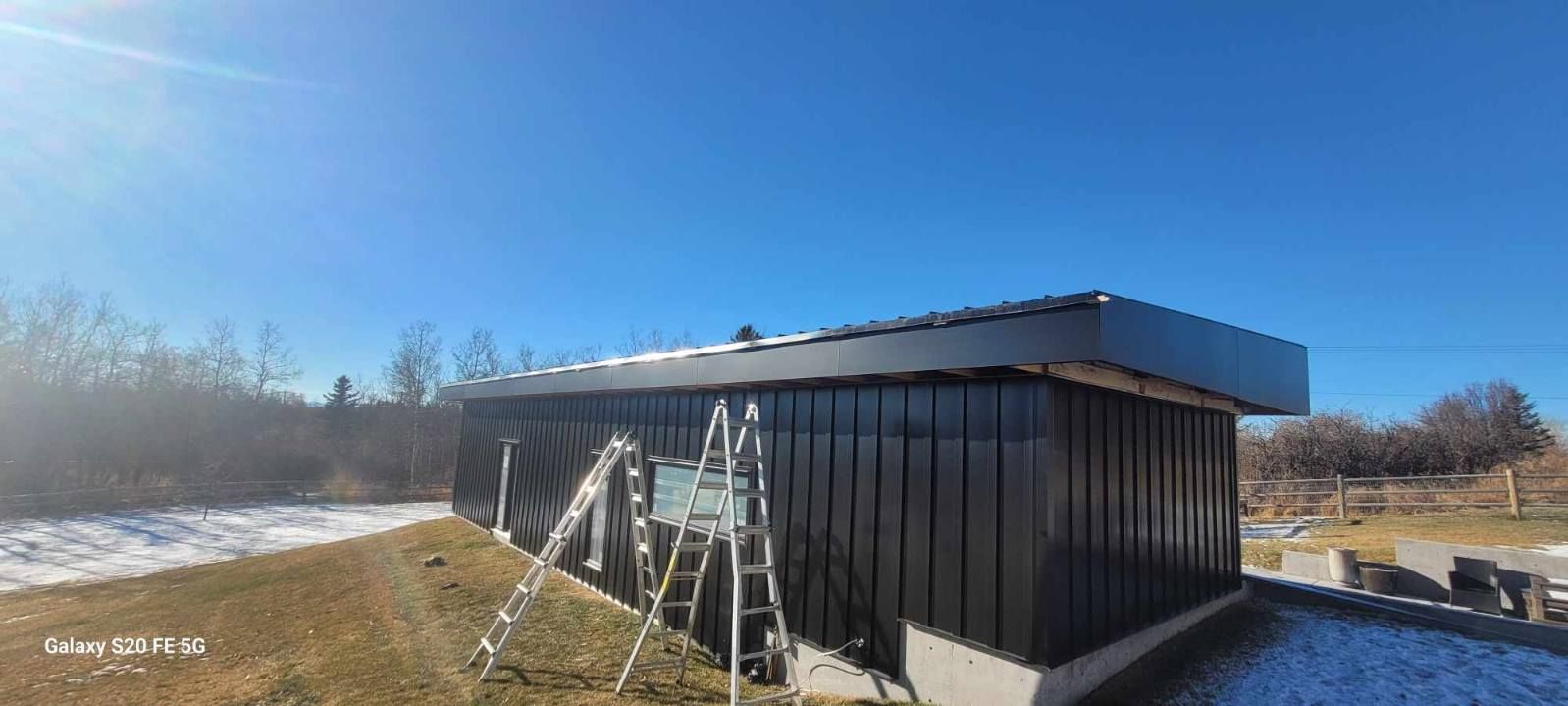
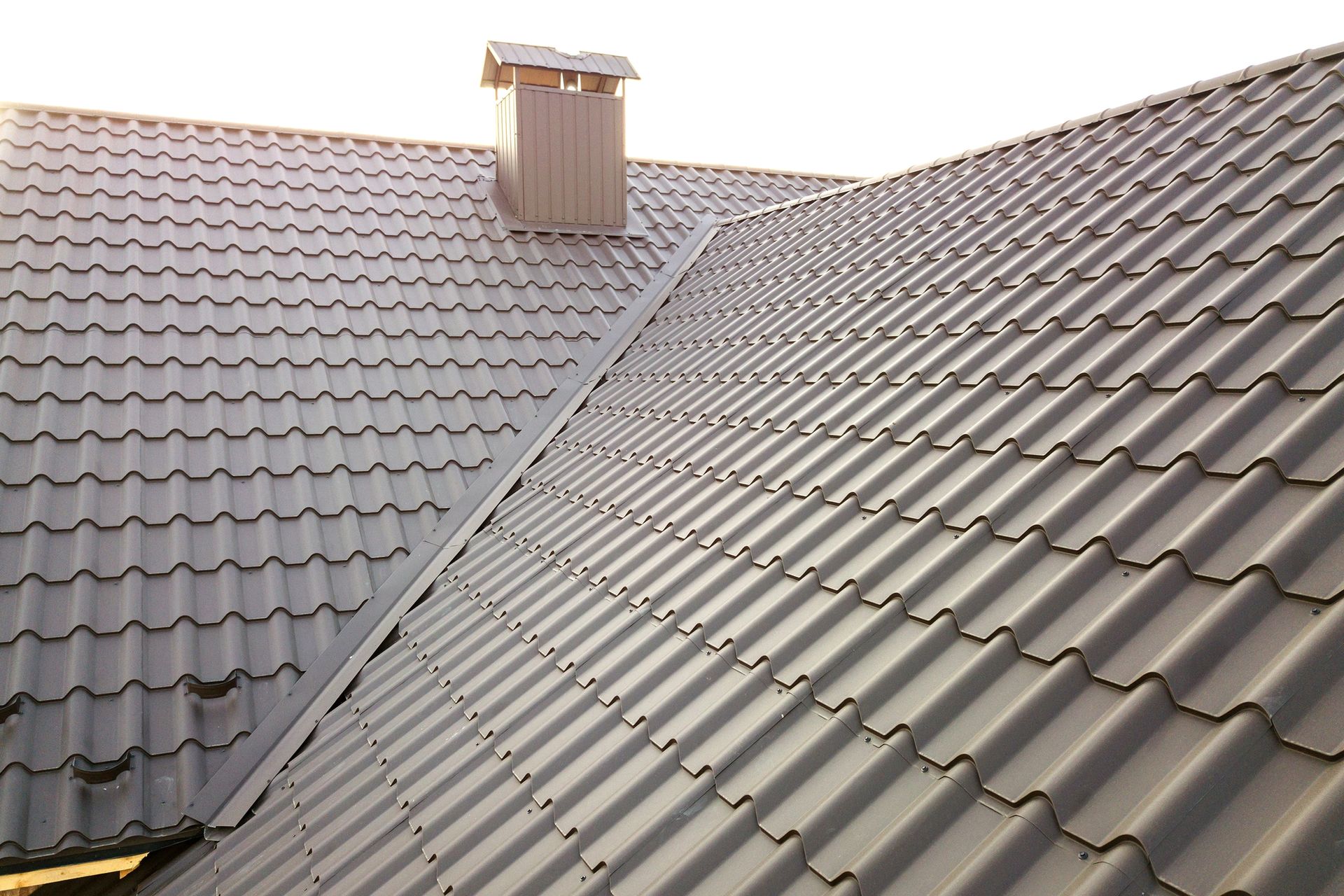
Steel cladding provides excellent strength and durability and commonly appears in industrial structures.
However, steel panels weigh significantly more than ACM panels and may reduce design flexibility for certain architectural applications.
Aluminum Sheet Cladding
Solid aluminum sheets resist corrosion and weigh less than steel. However, large aluminum sheets may require thicker material to prevent surface distortion.
ACM panels maintain flat surfaces while keeping the overall weight lower.
Fibre Cement Panels
Fibre cement cladding performs well in many environments and provides solid durability.
However, they often weigh more than ACM panels and are harder to install. Cutting and shaping fibre cement also requires specialized tools.
ACM panels offer faster fabrication and greater design versatility.
Performance and Longevity Considerations
Exterior cladding must withstand long-term environmental exposure while protecting the building structure.
- Weather resistance: ACM panels resist moisture, corrosion, and UV exposure. Aluminum surfaces perform well across varying climates and temperature changes.
- Impact resistance: These panels provide strong durability for commercial applications. Protective coatings also help maintain appearance over time.
- Maintenance expectations: Many building owners prefer cladding systems that require minimal maintenance. ACM panels typically need periodic cleaning to maintain their appearance.
Other materials may require repainting, sealing, or more frequent upkeep depending on environmental exposure.
Choosing the Right Cladding for Your Project
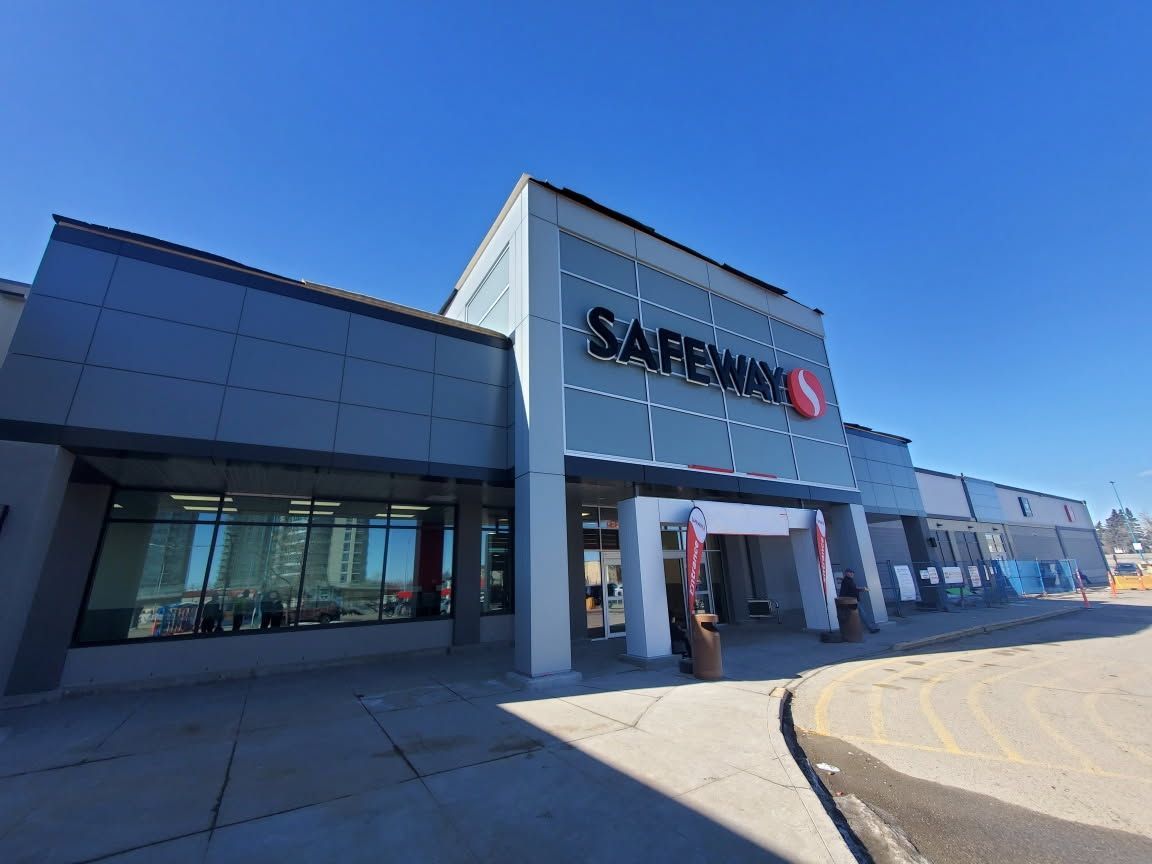
Office buildings, retail developments, institutional facilities, and buildings with structural weight limitations often use ACM panels for a lighter load and modern architectural finishes.
Projects that need detailed panels or custom shapes also work well with ACM.
Compared with many traditional cladding materials, ACM panels support efficient installation and flexible fabrication. Working with an experienced
fabricator in Calgary, such as Phoenix Metals, helps ensure ACM panels meet structural and architectural requirements.
SOURCES:
https://www.phoenixmetalsltd.com/what-are-acm-panels-and-why-use-them-in-modern-construction