Metal Cladding Maintenance: What Building Owners Should Know Before Installing It
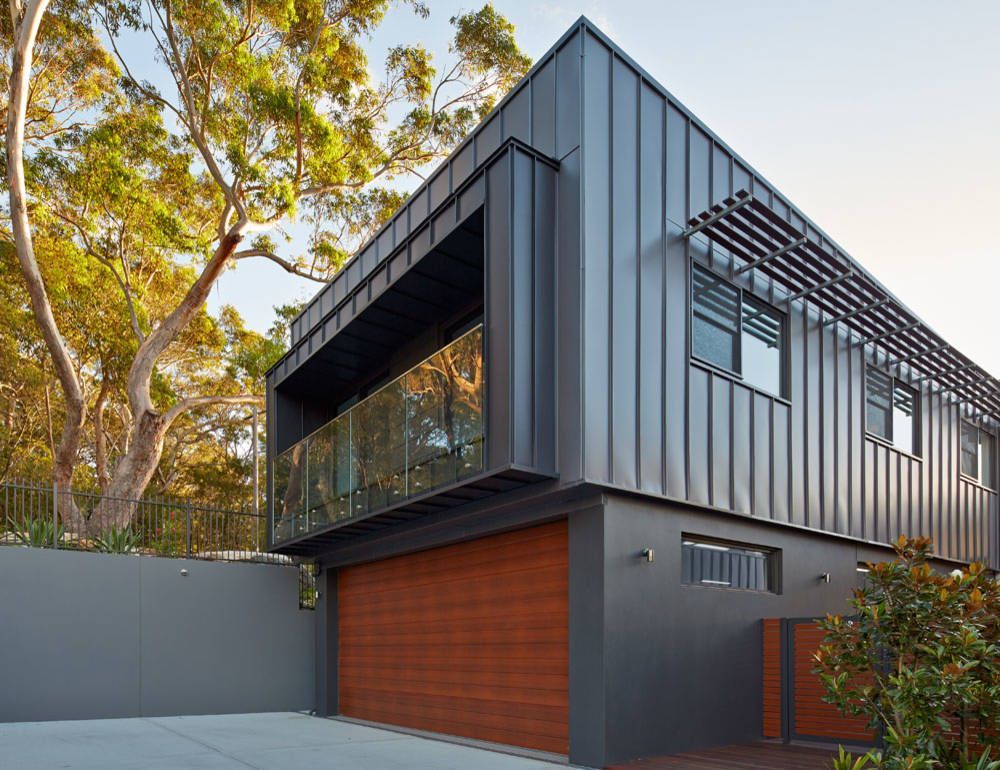
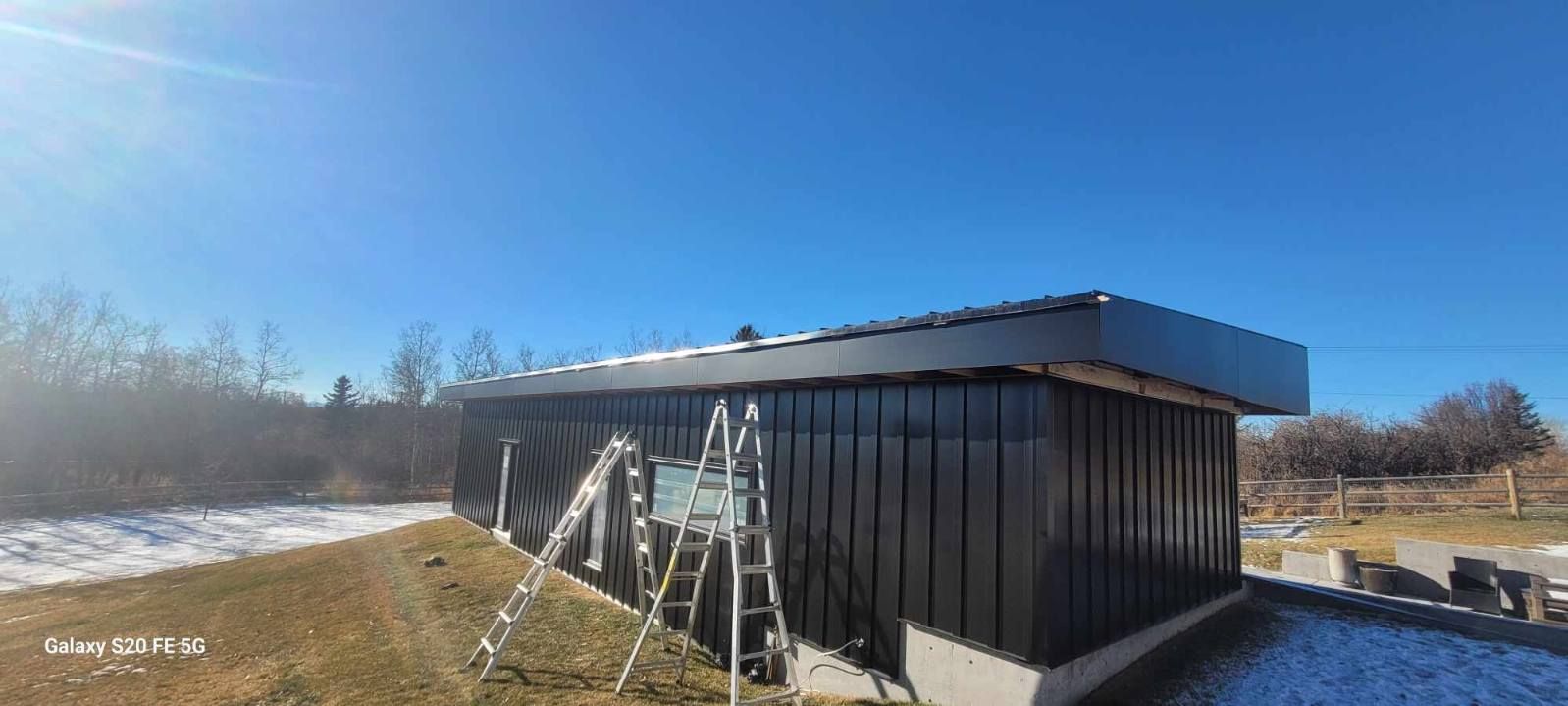
Metal cladding can be a lower-maintenance exterior, but it isn’t maintenance-free. Cleaning, inspections and timely attention to scratches or loose fasteners help protect both the finish and the building envelope. Planning for those tasks before installation can also make future upkeep easier.
At Phoenix Metals, we’ve supplied and fabricated metal products in Calgary since 1978. We work with building owners, contractors and project teams on cladding panels, flashings, trims and supporting components. Here’s what we recommend considering before you choose a system.
Start with the finish and the whole wall system
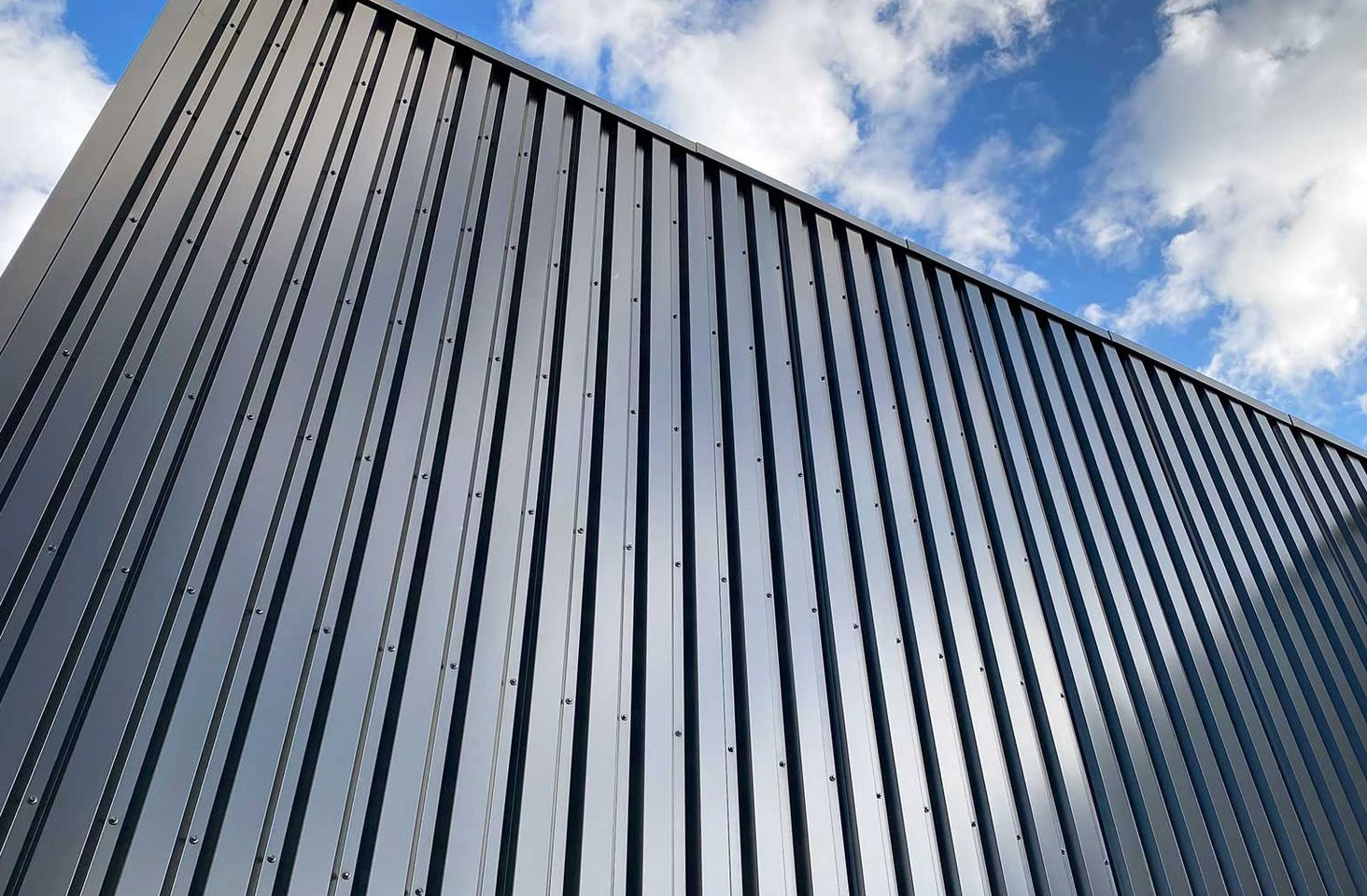
Prefinished sheet steel arrives with a factory-applied coating, so the building doesn’t need the same regular field painting as some traditional exterior materials. That can reduce routine maintenance, especially across large wall areas. The finish still needs care, and its performance depends on the coating, exposure, detailing and installation.
Think beyond the panel face. Flashings, corners, fasteners, drainage and transitions all contribute to how the exterior performs. We help customers compare cladding profiles, gauges and finishes for their project, but the right choice also depends on the building’s design and wall assembly.
Cleaning: gentle and occasional is usually enough
Dirt and airborne debris can collect on cladding, particularly around sheltered areas that receive less natural rain washing. For many prefinished steel products, occasional rinsing with clean water is sufficient. If the surface needs more cleaning, use a mild detergent and a soft brush, then rinse thoroughly.
Avoid abrasive cleaners and solvents that could damage the finish. Always follow the coating manufacturer’s instructions for the specific panel. After construction, make sure metal filings, swarf and other debris are cleared from the panels. Left in place, these can rust and stain the surface.
Inspect the panels and details
A visual inspection can help you catch small problems before they spread. Check the cladding for new dents, scratches, staining, loose edges and areas where water appears to collect. Pay attention to base and head flashings, corners, window and door transitions, and places where different materials meet.
After severe weather or nearby construction, it’s sensible to look for new damage or debris. Inspect safely from the ground or with a qualified professional. Don’t walk on roof panels unless the product and access method allow it; foot traffic can damage some surfaces.
Scratches, fasteners and small repairs
A small scratch may only affect the coating, but exposed metal can become vulnerable to corrosion. Use only touch-up paint approved for the panel’s finish, and apply it sparingly to small damaged areas. A field-applied coating won’t necessarily match the original finish or last as long. Larger damage may call for panel replacement rather than a patch.
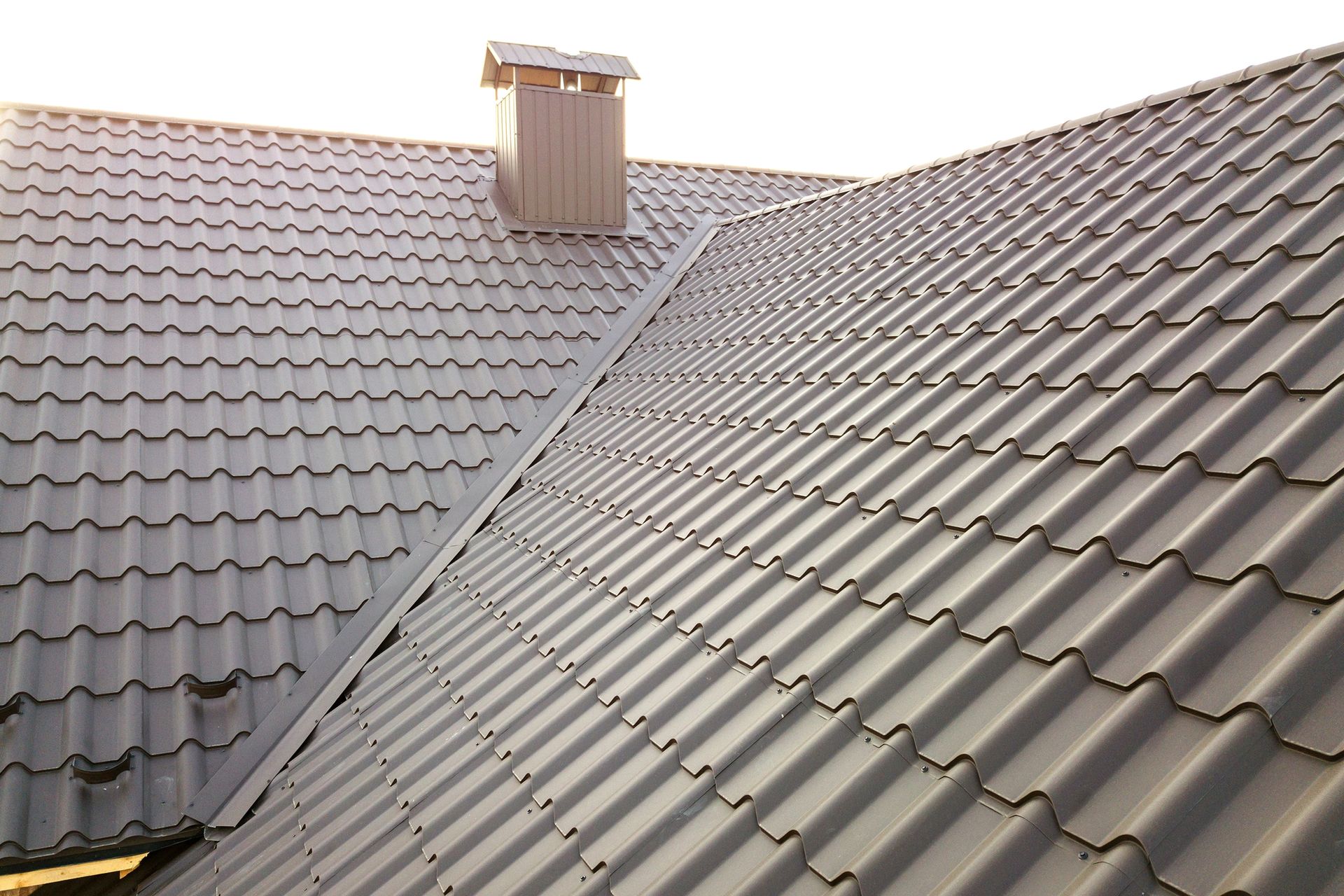
For exposed-fastener systems, look for missing, loose or visibly corroded screws and deteriorated washers. Don’t simply tighten or replace hardware with whatever is on hand. The correct fastener depends on the panel, substrate and installation details. Contact the installer, fabricator or manufacturer for repair guidance, especially if the cladding is under warranty.
Concealed-fastener panels have a different attachment system, so visible screw checks won’t apply in the same way. Inspections should still look for panel movement, damaged seams and water entry around transitions.
Will metal cladding ever need repainting?
Prefinished steel generally doesn’t need regular repainting. The coating is applied before the panels reach the job site, reducing the recurring paint maintenance associated with some other materials. That doesn’t mean the finish lasts forever or that you can repaint every panel the same way.
If a large area is faded or damaged, painting over factory-finished steel may create adhesion or appearance problems. Get recommendations for the exact coating and panel before repainting. Depending on the extent of damage and the material's age, replacing a panel may be the better solution.
Plan maintenance before the panels arrive
Before ordering, ask what cleaning and repair guidance applies to the product you’ve selected, what warranty documentation comes with it, and how to check the system’s fasteners and details. Keep product and finish information on file for future maintenance.
We supply and fabricate formed steel panels, corrugated profiles, aluminum composite material panels, flashings, trims and sub-girts from our Calgary facility. Our metal cladding products cover different applications, and our metal shop services include fabrication options for project-specific components. Installation availability depends on the project scope.
The right cladding system can reduce routine upkeep, but good detailing and timely attention still matter. If you’re planning a project,
contact Phoenix Metals for a quote. We can help you compare the panel and fabrication options for your building.