What Are ACM Panels? Benefits & Uses in Construction
You’ll often see Aluminum Composite Material panels (ACM panels) on commercial buildings, storefronts, office developments, and public spaces. Their popularity stems from a combination of a clean appearance, strong performance, and ease of installation.
For people new to construction or metal fabrication, ACM panels are practical materials that solve common building challenges. Understanding what ACM panels are, how they’re made, and why they’re used helps explain why they’ve become a standard choice across many commercial projects.
What Are ACM Panels?
ACM panels are flat sheets made by bonding two thin aluminum layers to a solid core. The aluminum layers provide strength and a smooth exterior surface, while the core adds stiffness without adding unnecessary weight. This combination creates a rigid, lightweight, and stable panel.
These panels are available in several thicknesses, depending on the application. They come in a wide range of finishes, including solid colours, metallic coatings, woodgrain styles, and custom-painted options. Panels can be cut, routed, bent, and folded to meet design requirements.
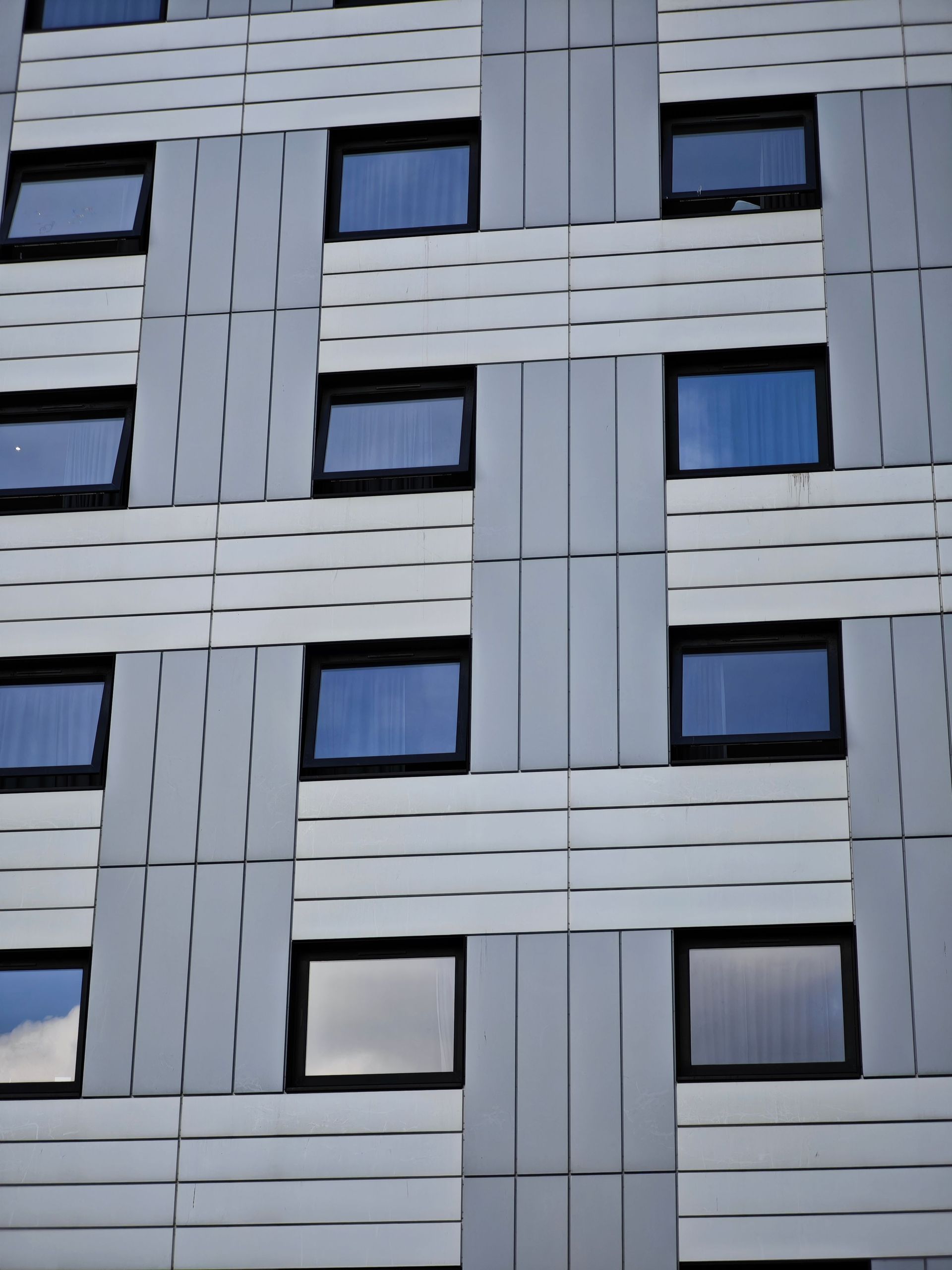
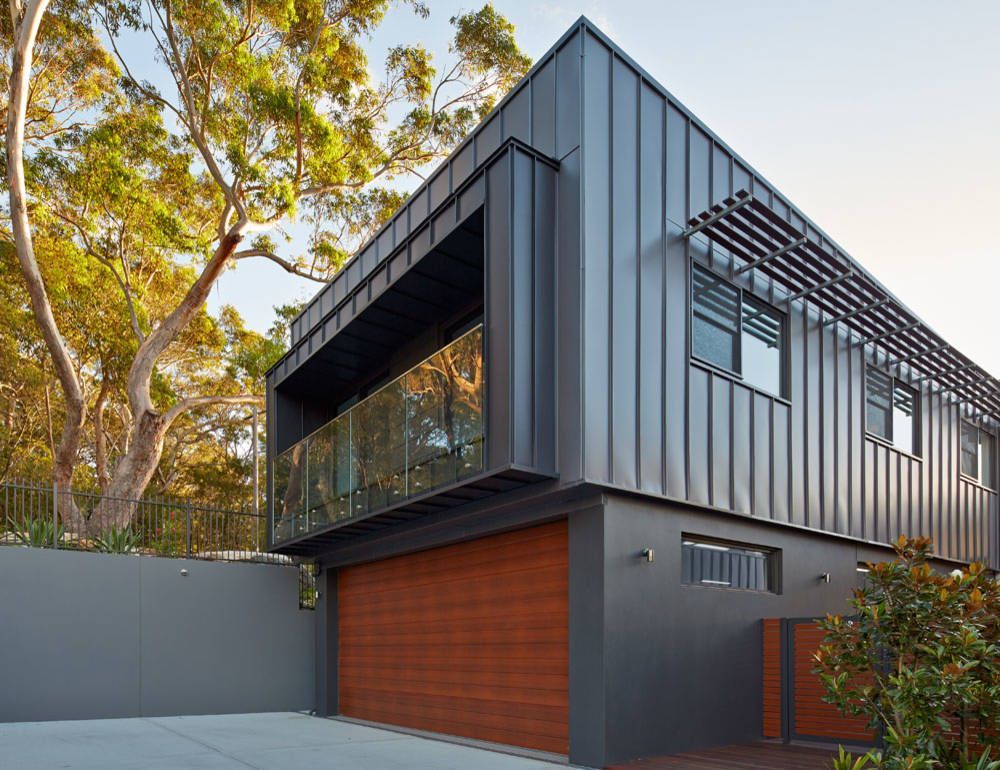
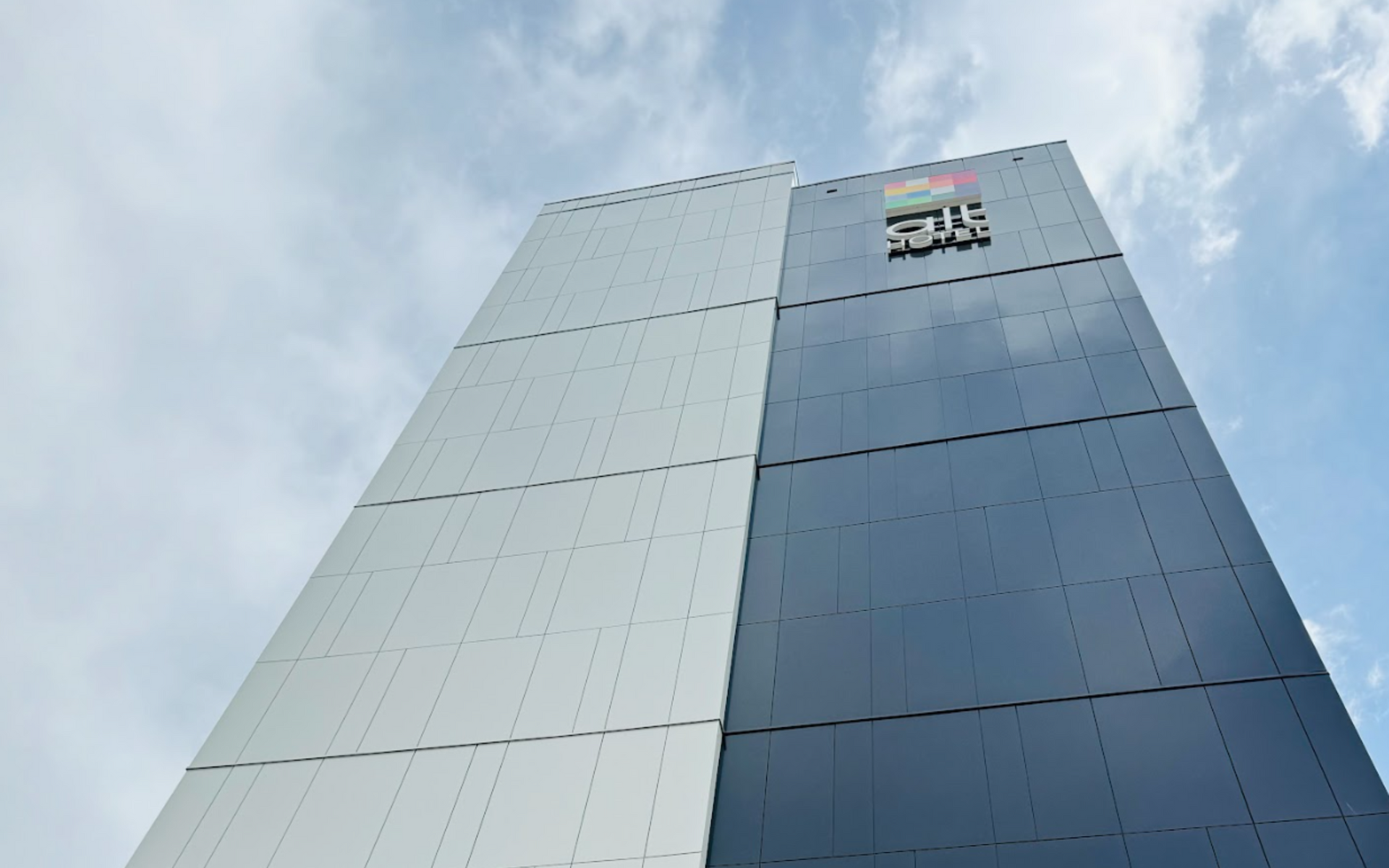
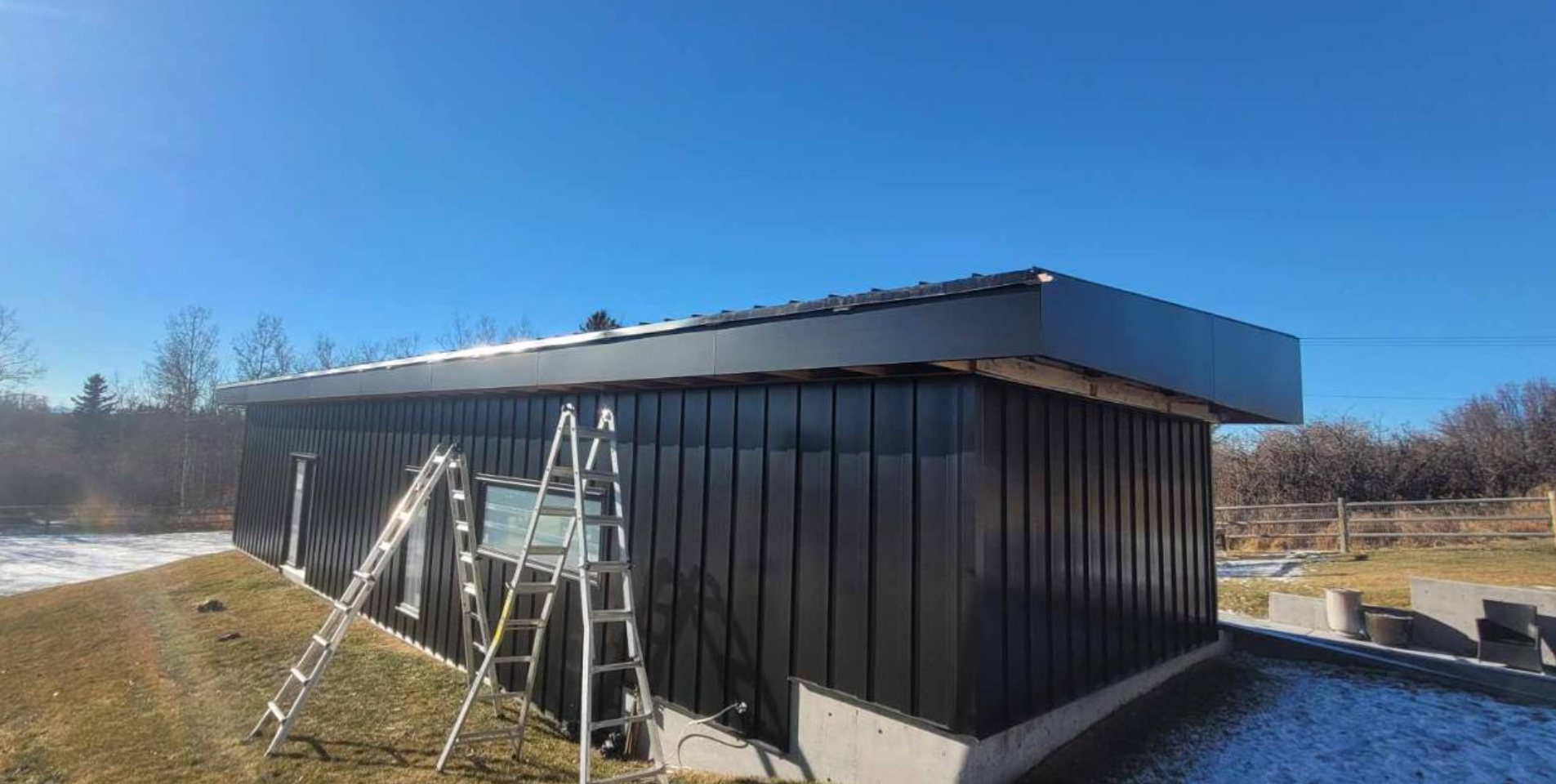
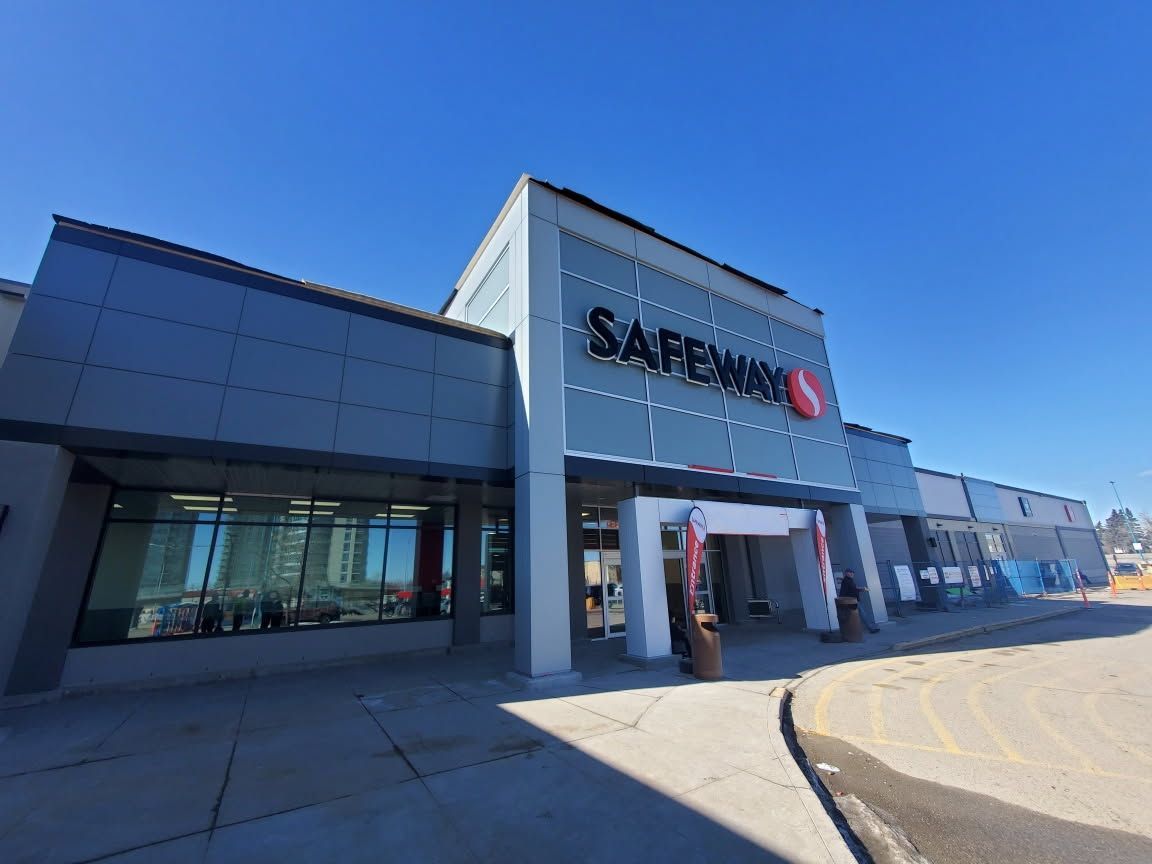
Builders use ACM panels for exterior facades, architectural cladding, interior wall features, and commercial signage. With smooth surfaces and crisp edges, they’re well-suited to contemporary designs.
Key Benefits of ACM Panels
One of the main benefits of ACM panels is their lightweight construction. Compared with solid aluminum or steel, they’re easier to transport, handle, and install, reducing on-site labour time.
ACM panels also offer strong design flexibility. They support clean lines, sharp corners, and consistent finishes, allowing designers to achieve detailed looks without overly complex materials.
Durability is another key advantage. ACM panels resist moisture, temperature changes, and general weather exposure, helping them maintain their appearance over time. This makes them suitable for exterior and interior applications.
From a fabrication perspective, ACM panels are efficient to work with. They enable precise cutting and forming, improving fit and reducing material waste. Once installed, they require minimal upkeep and continue to perform well for years.
Typical Applications for ACM Panels
Contractors use ACM panels across many construction and fabrication projects, including:
- Commercial buildings and retail storefronts
- Architectural cladding and rainscreen systems
- Signage, canopies, and column covers
- Custom metal fabrication and design features
Their versatility allows them to fit large-scale developments and smaller custom builds.
Why Fabrication Quality Matters
Even with high-quality materials, fabrication affects the outcome. Precise cutting, clean bends, and proper finishing allow panels to fit accurately and maintain a consistent appearance once installed.
When fabrication falls short, issues such as visible seams, uneven edges, or premature wear may appear over time. Partnering with an experienced
metal fabrication shop in Calgary helps ensure ACM panels are produced to spec, supporting visual quality and long-term performance.
ACM Panels Built to Last
ACM panels combine strength, flexibility, and modern design to suit today’s construction needs. For those new to the industry, understanding how these panels are made and used helps explain their high demand.
Phoenix Metals supports ACM panel projects through precise fabrication and practical expertise. When fit, finish, and long-term performance matter, experienced fabrication helps ensure ACM panels deliver reliable results from installation through years of use.
Contact Phoenix Metals today to discuss your next project and get a quote.
SOURCES
https://www.phoenixmetalsltd.com/calgary-metal-shop-services/acm-panels