ACM Panels: Where They're Used and Why Contractors Prefer Them
Contractors pick ACM panels because they're faster to install, easier to fabricate, and cheaper to maintain.
But most people only think of ACM panels as exterior wall cladding. That sells the material short. ACM shows up on building facades, yes. It also shows up on signage, canopies, column covers, interior walls, and architectural details across commercial and residential projects.
The material's combination of low weight, design flexibility, and durability makes it practical for more applications than any single alternative. Architects spec it, contractors prefer working with it, and building owners appreciate what it costs to maintain over 20 or 30 years.
This guide covers the most common applications for ACM panels, what makes each one work, and how to choose the right panel configuration for your project.
Exterior Cladding and Building Facades
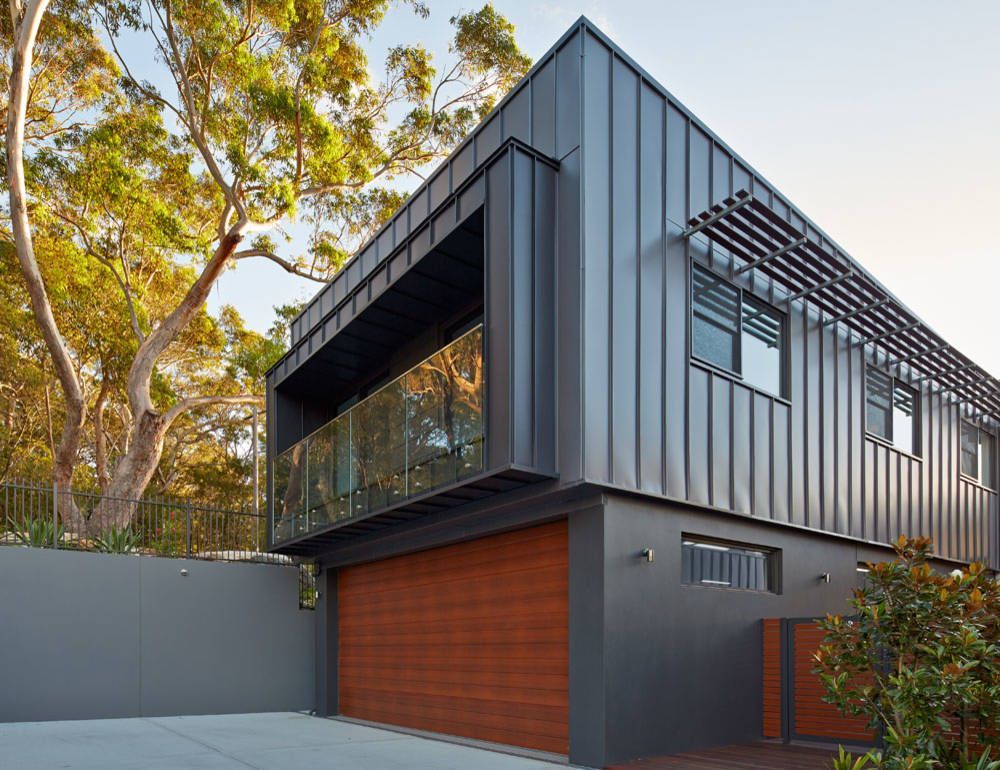
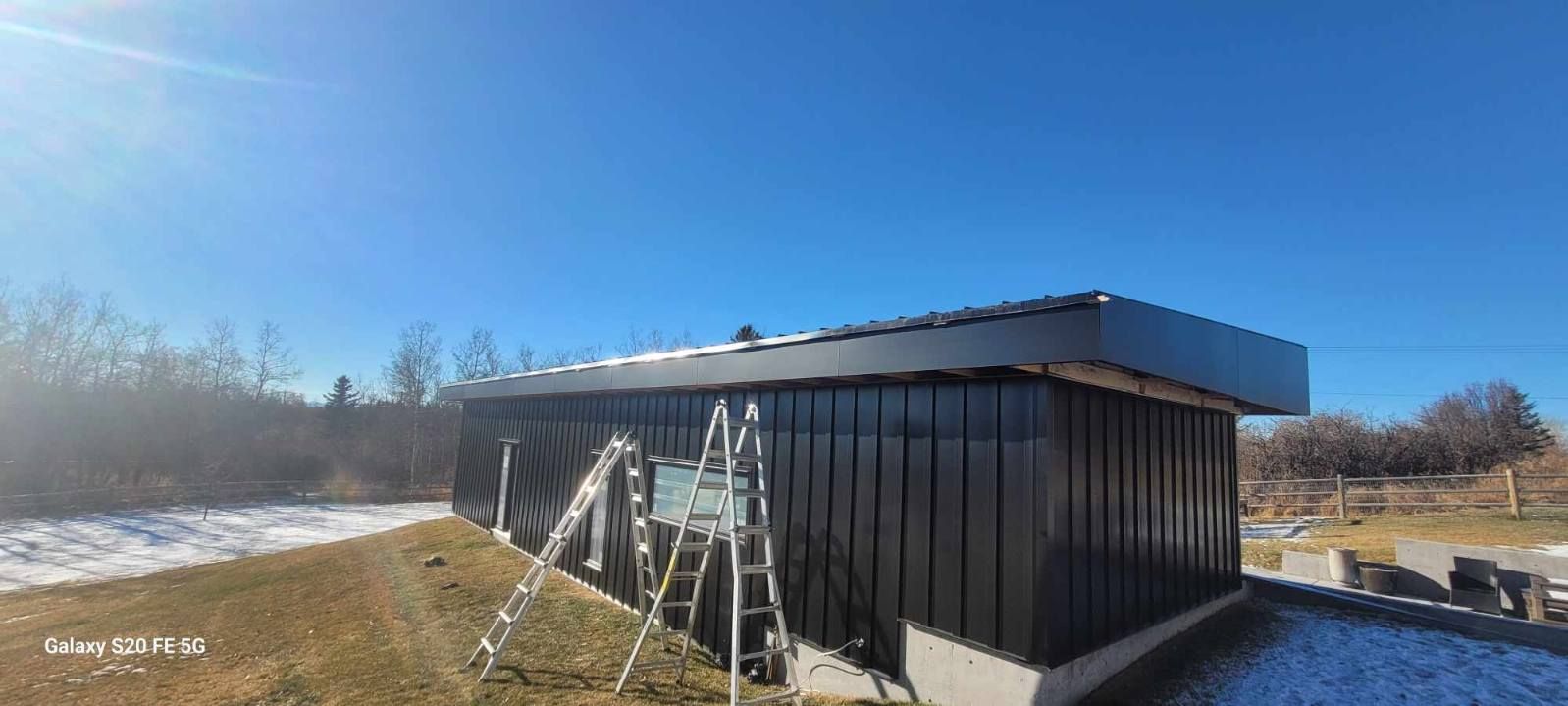
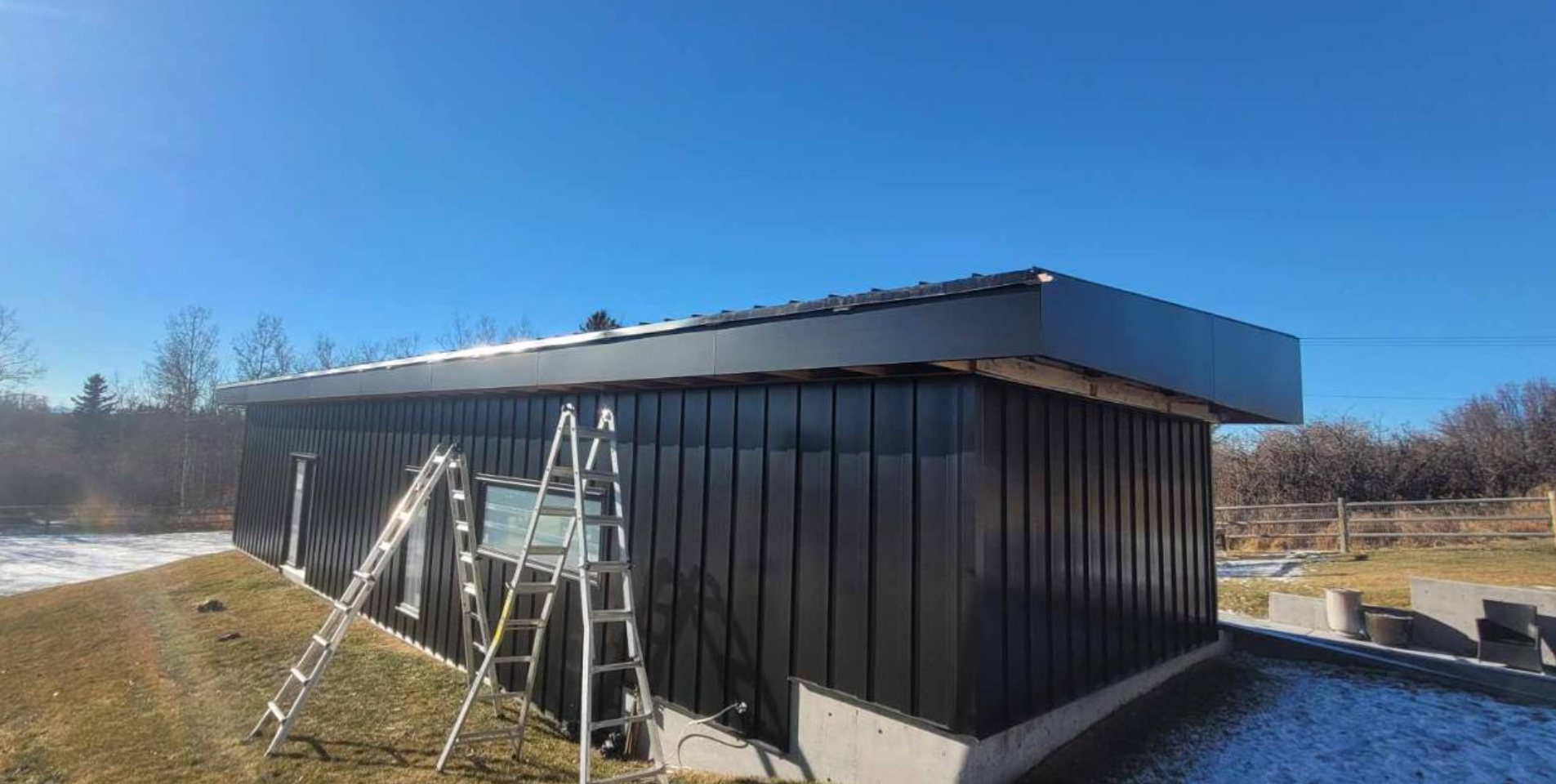
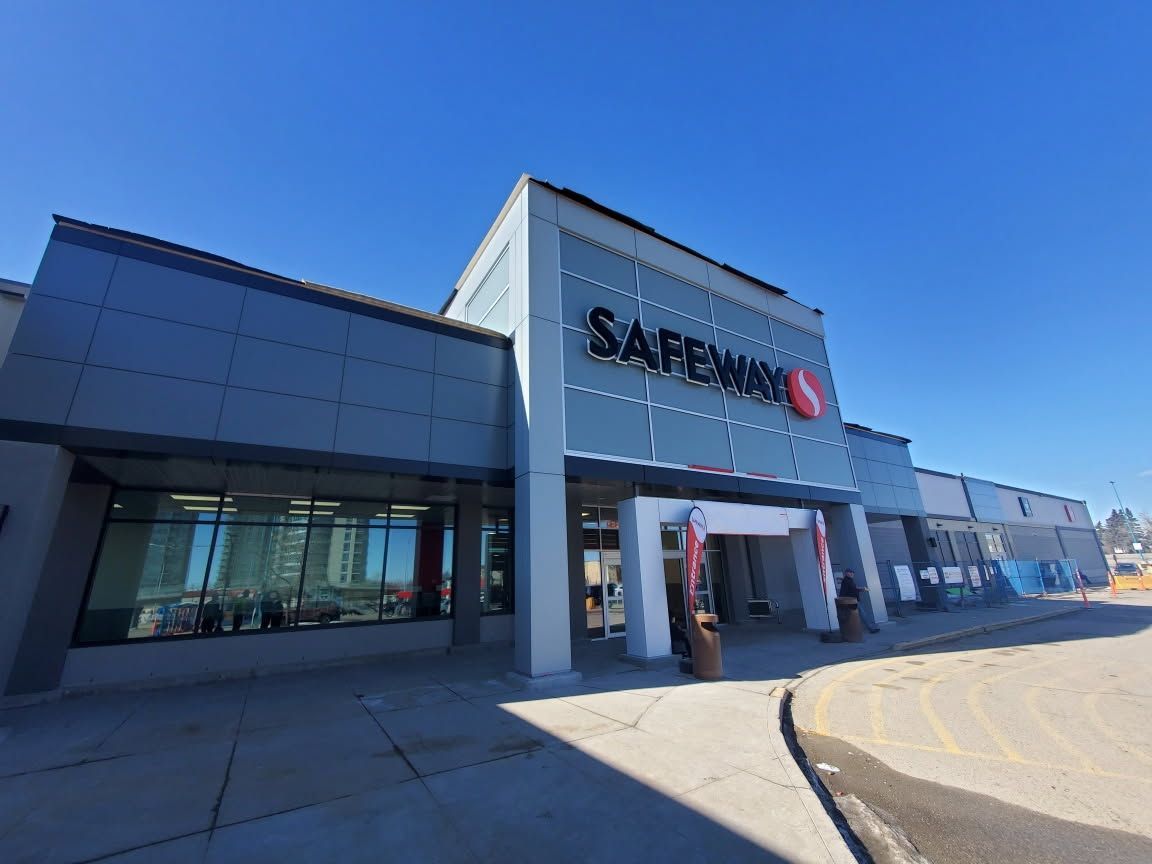
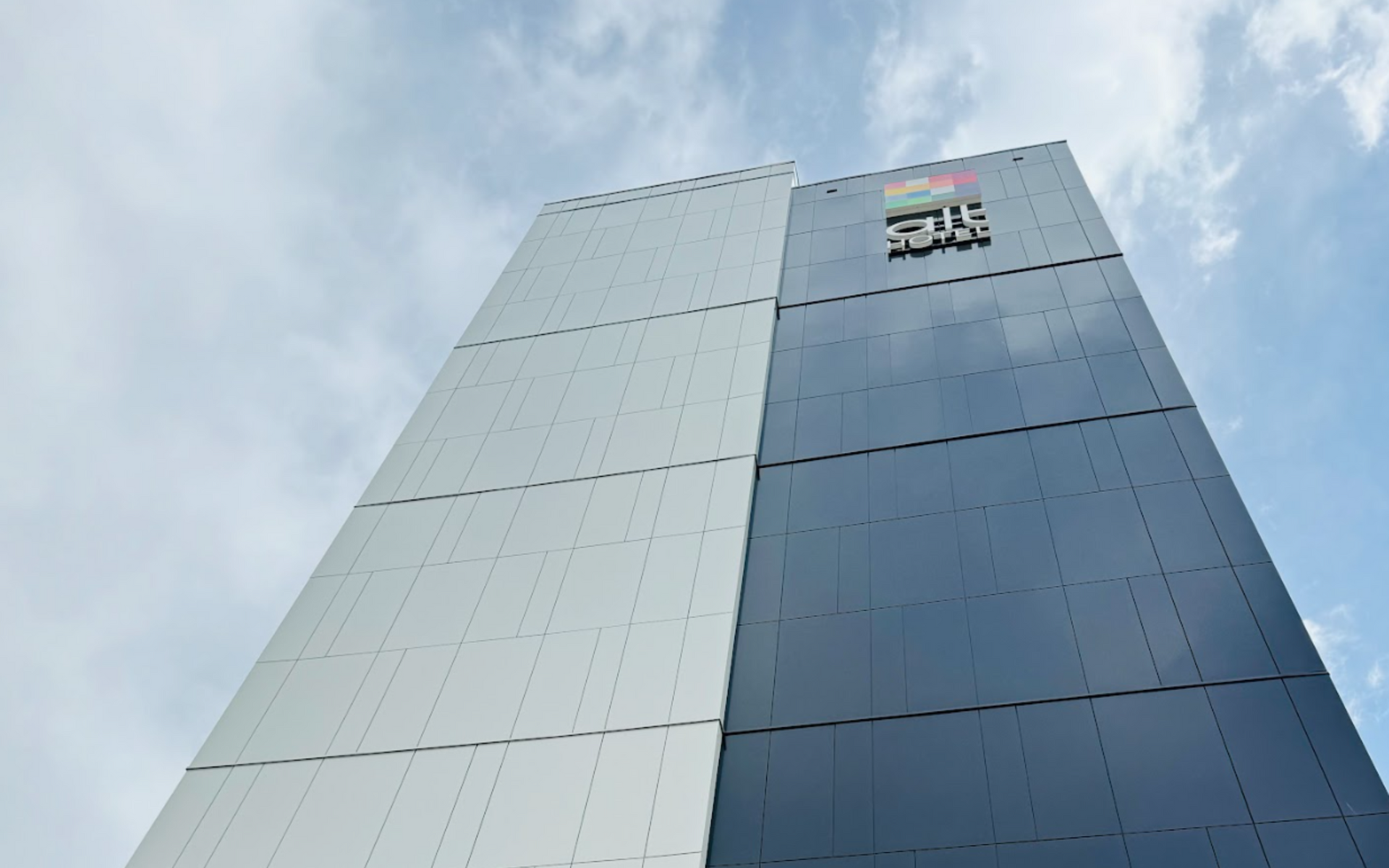
Commercial exterior cladding is where ACM panels are used most. This includes office buildings, retail storefronts, multi-unit residential, healthcare facilities, and industrial buildings.
The panels sit flat, resist oil canning, and hold their finish through years of UV exposure, rain, and temperature shifts.
In Calgary, that means performance through hail season, heavy snow loads, and winter temperatures that swing 30 degrees in a single day. ACM handles
freeze-thaw cycles and wind-driven rain without warping or delaminating when the core material and bonding are done right.
For buildings over two storeys, fire-rated (FR) core panels are typically required by code. PE core panels work for low-rise applications where fire rating requirements are less strict.
Commercial Signage and Branding
ACM's flat, rigid surface makes it one of the most popular substrates for commercial signage. Common applications include:
- Monument signs: Freestanding signs at building entrances or property lines. ACM holds up outdoors without bowing, fading, or requiring frequent replacement.
- Storefront branding: Panels accept cut vinyl lettering, full-wrap printed graphics, and channel letter mounting. The smooth surface gives clean, professional results.
- Directional and wayfinding signs: Parking garages, campuses, and commercial complexes use ACM for durable signage that stays readable for years.
- Indoor displays: Kiosks, point-of-purchase displays, and trade show signage. The material is easy to cut to custom shapes and lightweight enough to mount anywhere.
Canopies, Soffits, Fascia, and Column Covers
These are the details that tie a building's exterior together. ACM panels work well here because they're light enough for overhead applications, easy to fabricate into custom profiles, and available in finishes that match the primary cladding.
Canopies over building entrances, soffit panels on the underside of roof overhangs, and fascia trim along rooflines are all common ACM applications. The material routes and bends cleanly, which means fewer visible seams on curved or angled details.
Column wraps on structural posts give parking structures, storefronts, and institutional buildings a finished look without adding significant weight. For projects that also involve
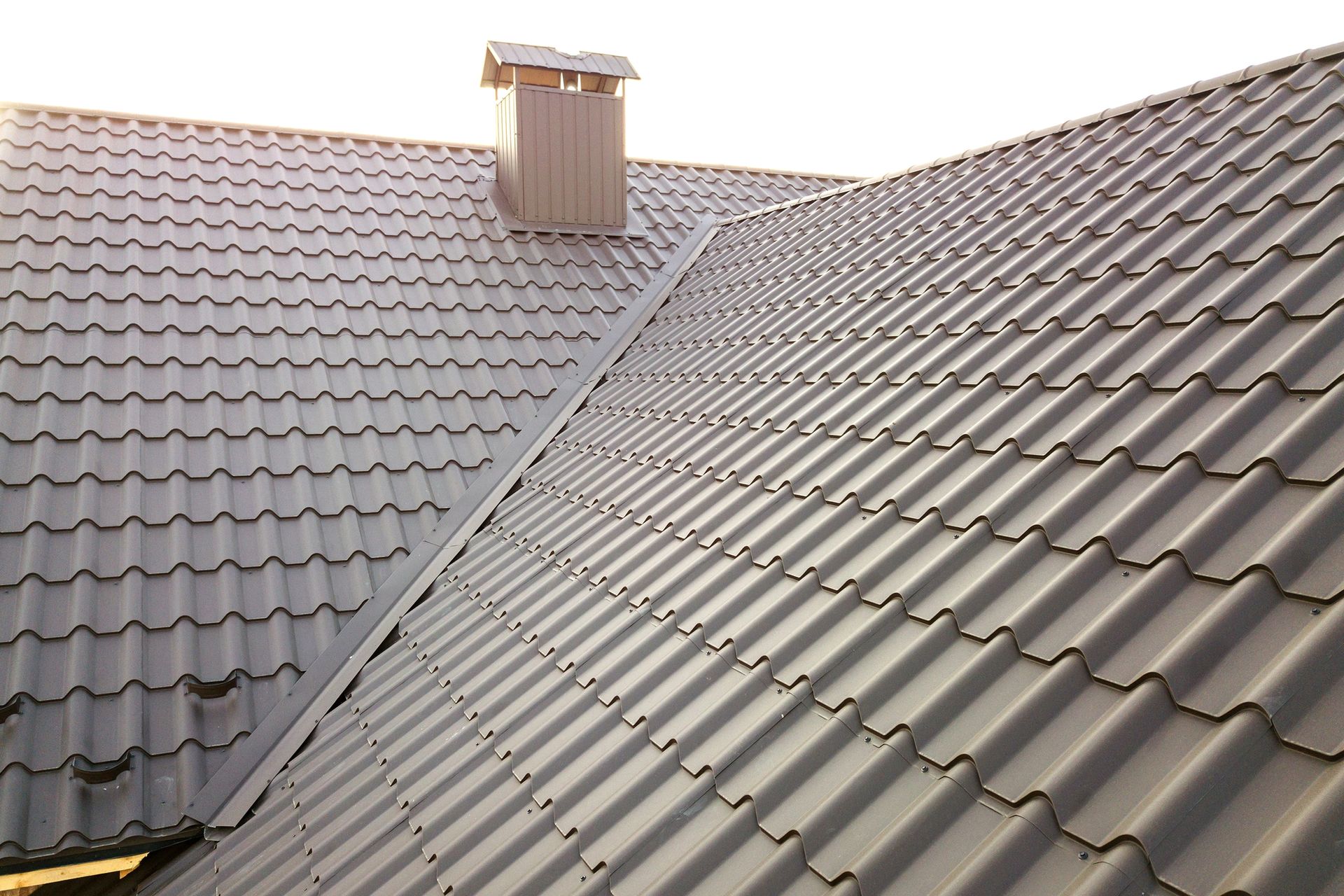
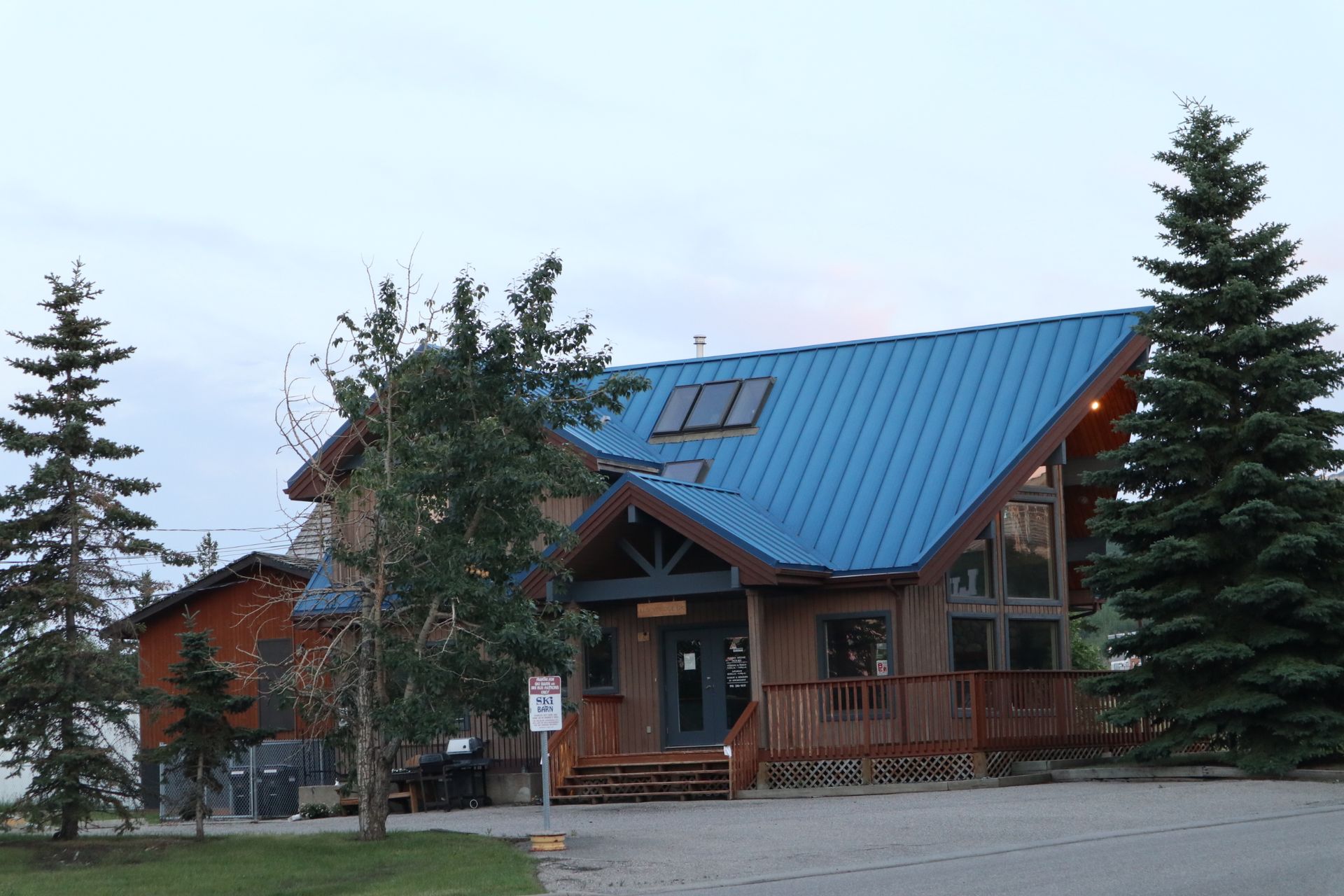
metal cladding or roofing systems, ACM accents keep the aesthetic consistent from the roofline to ground level.
Interior Feature Walls and Partitions
ACM works indoors, too. Designers and architects use it for applications where traditional drywall or paint won't deliver the right look. Typical use cases include:
- Lobby and reception walls: Brushed metal, mirror, and wood-grain finishes create a polished first impression without the cost of real stone or solid metal panels.
- Office partitions: ACM partitions are durable enough for high-traffic commercial spaces and easy to clean.
- Ceiling panels: Lightweight panels reduce load on ceiling grid systems while adding a modern, finished look.
Fire-rated FR core panels are the standard in commercial interiors where code compliance is required. ACM's
durability and recyclability also make it a practical long-term choice for interior applications that need to withstand daily use.
Choosing the Right Panel for the Application
The application determines the panel spec. However, there are a few factors to work through before ordering:
- Panel core matters most.
- PE core is lighter and more affordable for low-rise exterior and interior work.
- FR core is required for buildings over two storeys and anywhere fire rating is a code requirement.
- Thickness follows application: 3mm panels suit interior signage and displays, 4mm covers most exterior cladding, and 6mm handles high-wind or high-impact zones.
- PVDF coatings are the standard for exterior durability. They resist UV degradation and chalking far longer than polyester finishes.
The fabrication method also affects which panel you need. Route-and-return systems require panels that groove cleanly without cracking.
Choosing high-quality ACM from the start avoids problems during fabrication and installation that cheaper panels create down the line.
Get Your ACM Panels From Phoenix Metals
Phoenix Metals has been fabricating and supplying custom metal products in Calgary since 1978. Our 16,000-square-foot facility and CNC router table allow us to design, cut, and manufacture ACM panels to your exact specifications for commercial, residential, and industrial projects.
We work with contractors, builders, and architects across Calgary, Airdrie, Cochrane, and surrounding areas. Whether the job calls for exterior cladding, signage panels, column covers, or interior feature walls, we'll help you select the right core type, thickness, and finish for the application.
Contact Phoenix Metals for a free ACM quote.
FAQs
What are the most common uses for ACM panels?
Exterior building cladding and facades are the most common. Signage, canopies, soffits, fascia, column covers, and interior feature walls are also widely used across commercial and residential projects.
Can ACM panels be used indoors?
Yes. ACM panels are used for lobby walls, office partitions, ceiling panels, and decorative features. Fire-rated FR core panels meet building code requirements for commercial interior applications.
What is the difference between PE core and FR core ACM panels?
PE (polyethylene) core panels have a standard plastic core. They're lighter and more affordable, suitable for low-rise buildings and interior use. FR (fire-rated) core panels use a mineral-filled core that resists combustion. They're required by code for buildings over two storeys and any application where fire performance is a priority.